Smooth trips rarely happen by accident; they’re usually the result of small, smart choices made before you ever zip the suitcase. The right accessories reduce the constant “Where did I put that?” sensation and replace it with a simple regimen that you can stick to every time you go. When each item has a job and a home, you move through airports, hotel lobbies, and day trips with less friction. This guide focuses on practical add-ons that make packing, carrying, and finding your essentials faster without turning your travel style into a rigid checklist.
The carry-all that sets the tone
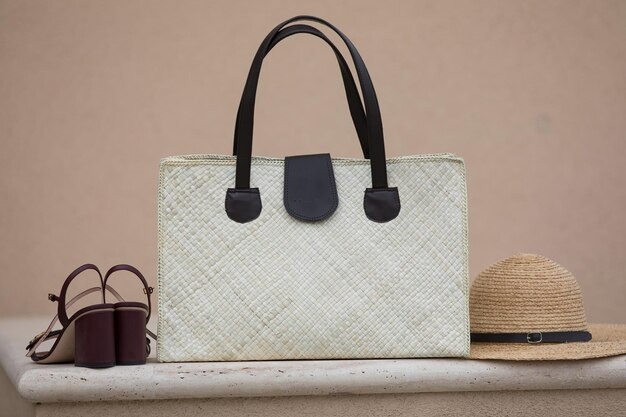
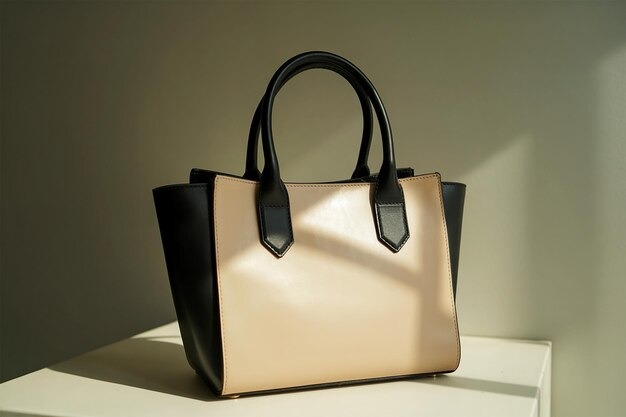
Your main bag decides whether your day feels effortless or chaotic, because it’s the hub for everything you reach for most often. A structured option with a stable base prevents the familiar “black hole” problem where keys and chargers disappear. If you like a polished look that still handles real life, consider a bag with interior sections sized for a water bottle, sunglasses case, and a slim pouch. For anyone ready to upgrade, explore designer tote bags at tiebags.com and choose one with a secure closure and easy-to-clean lining so it stays tidy trip after trip.
Modular pouches that prevent mini-messes
Small pouches are the secret to keeping one bag functional across multiple settings, from transit days to dinners out. The trick is to assign a role to each: tech, toiletries, snacks, or “quick grab” items like lip balm and hand sanitizer. Use different textures or colors so you can identify them instantly without rummaging. A flat zip pouch also doubles as a document sleeve for boarding passes and receipts, keeping paper from bending or vanishing into corners.
A slim organizer for documents and money
Travel confidence rises when your most critical items are contained in one reliable place. A thin wallet-style organizer with dedicated slots for cards, cash, and IDs keeps you from shuffling at checkpoints. Look for a design that closes securely but opens easily with one hand. It’s also worth choosing something that can hold a pen, because you’ll eventually need to sign a form, label a bag, or jot a note without hunting for supplies.
A dedicated tech wrap for cables and chargers
Electronics are small, but their accessories multiply quickly. A compact tech wrap with elastic loops and a zip section prevents cords from knotting and keeps adapters from clanking around. Prioritize a layout that separates items by type: charging, audio, and storage. If you frequently switch between hotel rooms and cafés, keeping your setup in one wrap means you can pack up in seconds and avoid leaving a charger behind in an outlet.
Lightweight cubes that create instant structure
Packing cubes aren’t only for maximizing suitcase space; they’re for maintaining order after the suitcase has been opened three times. Use one cube per category tops, bottoms, sleepwear, or gym gear, so you can find what you need without unfolding everything. Choose breathable fabric for clothing and a wipeable cube for shoes or laundry. Many travelers find that once cubes are part of the routine, repacking becomes faster than unpacking.
A compact kit for quick cleanups
On-the-go organization isn’t just about where things live; it’s also about staying presentable when plans change. A small hygiene kit can include tissues, stain-removing wipes, a mini lint roller, and a travel-size hand cream. Keep it in an outer pocket so it’s accessible during delays or while commuting. This kind of kit saves outfits, improves comfort, and reduces the impulse to buy replacements you didn’t plan for.
A fold-flat day bag for flexible outings
Some trips require a second bag that appears only when needed, like when you’re heading to a market or carrying an extra layer. A fold-flat tote or packable crossbody works best when it’s light, durable, and easy to clean. This is where travel-friendly bags shine, because they add capacity without adding bulk, and they give you a simple way to separate “tour day” items from your main carry.
A grab tray system for the room
Hotel rooms and rentals can scatter your belongings across nightstands, desks, and bathroom counters. A collapsible catchall tray gives your keys, jewelry, and loose coins a consistent home, so you don’t waste time searching right before checkout. If you don’t have a tray, a clean pouch can do the same job, just keep it open on a flat surface. This tiny habit prevents the most common travel mishap: leaving essentials behind.
Style-forward pieces that still work hard
An organization doesn’t have to look purely utilitarian. The best accessories blend function with a silhouette you enjoy carrying, because you’re more likely to use them consistently. A streamlined sling, a refined cardholder, or a minimal pouch can keep your kit cohesive while still handling the realities of transit. Many people end up building a rotation of everyday stylish bags that transition from errands to weekend trips, reducing the need to repack and re-decide every time you go out.
Conclusion
Staying organized while traveling is less about perfection and more about designing a system you can repeat anywhere. A dependable main bag, a few purpose-driven pouches, and a handful of compact organizers can eliminate most daily friction on the road. Start with one category that currently feels messy tech, documents, or toiletries, then add one accessory that solves it for good. With a few intentional upgrades, you’ll spend less energy managing stuff and more time enjoying where you are.
 Styles Pherea Blog
Leave a comment