Earthy colors and rustic textures are no longer the only options for eco-friendly décor. Today, sustainable choices can look clean, contemporary, and intentionally designed, while also reducing waste and supporting healthier indoor spaces. The best part is that you don’t need to overhaul your entire home to make a meaningful difference. By focusing on materials, longevity, and multipurpose pieces, you can create a modern home that feels fresh, comfortable, and aligned with the way you want to live.
Choose Natural Fibers Where You Feel Them Most
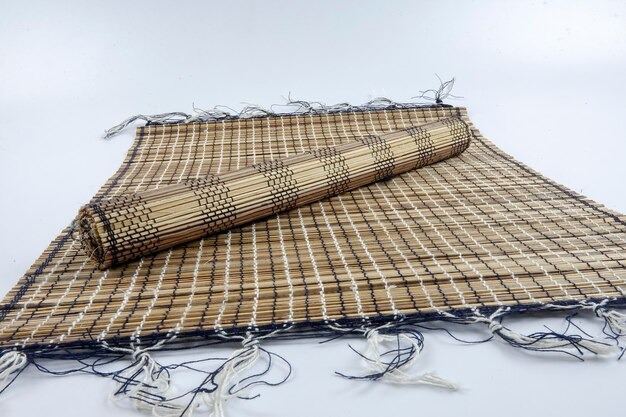
Start with the things you touch on a daily basis, such as window coverings, rugs, throws, and cushions, if you want sustainability to seem immediate. Natural fibers like jute, coir, cotton, wool, and linen tend to age gracefully and often avoid the heavy chemical finishes found in some synthetic decor. In entryways and high-traffic zones, a durable option such as a korai pai mat. can add a grounded texture while keeping your space functional and easy to maintain, especially if you prefer simple, uncluttered floors.
Let One Statement Piece Replace Several Small Ones
A common sustainability mistake is buying many inexpensive decor items that quickly lose appeal and end up stored or discarded. Instead, pick one “anchor” piece per room that does the visual heavy lifting, an oversized plant, a sculptural lamp, a large framed print, or a vintage mirror. This approach reduces consumption while creating a cleaner, modern look. It also helps your home feel calmer because your eyes have fewer objects competing for attention.
Embrace Vintage and Secondhand for Modern Spaces
Secondhand doesn’t have to mean mismatched or dated; it can be the shortcut to a home with character. Look for solid wood side tables, ceramic vases, brass hardware, or well-made chairs that can be reupholstered in a modern fabric. The environmental benefit is huge because you’re extending the life of materials already in circulation. With a little editing, sticking to a consistent palette, and repeating textures, you can make vintage pieces look intentionally modern rather than accidental.
Improve Indoor Air With Low-Impact Updates
Eco-friendly decor isn’t just about what you bring in; it’s also about what you remove or avoid. Choose low-VOC paints, water-based finishes, and fragrances that don’t overwhelm a room. Consider swapping disposable air fresheners for ventilation, a simple charcoal odor absorber, or plants that you can actually care for. Cleaner air supports comfort, and comfort is a major part of good design. Your home should feel as good as it looks.
Use Lighting to Reduce Energy and Elevate Style
Modern interiors depend on good lighting, and energy-conscious choices can still feel high-end. LED bulbs use far less energy and last longer than traditional options, which reduces both consumption and maintenance. Layer light sources, floor lamps, table lamps, and wall sconces so you can avoid blasting overhead lighting. When you design lighting in zones, your home feels more intentional, and you naturally use only the light you need.
Rethink Textiles as Functional Decor
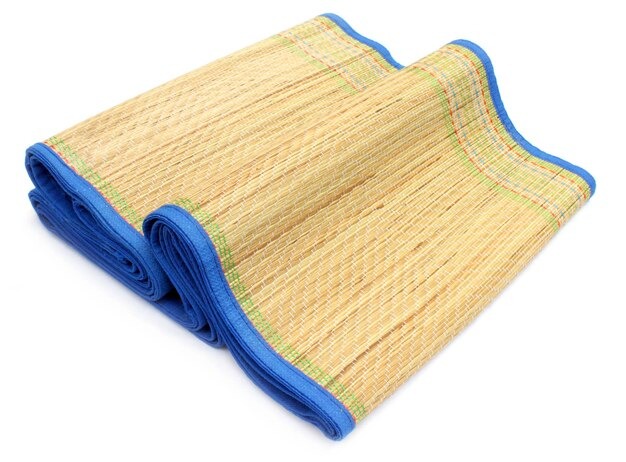
Textiles are one of the simplest ways to make a space feel finished, but they can also become a source of fast waste when you chase constant seasonal trends. Choose washable covers, durable weaves, and colors that work across multiple seasons. When shopping for rugs and runners, consider handmade floor mats that are built to last and can be repaired or refreshed rather than replaced. This keeps your home looking curated while helping you buy fewer items over time.
Style With Storage to Prevent Visual Clutter
A modern home looks best when surfaces can breathe, and that’s easier when storage is part of the decor plan. Use baskets made from natural fibers, wooden boxes, or lidded containers that hide everyday mess without adding plastic. Closed storage also protects items from dust, which can reduce cleaning time and improve air quality. When your storage looks intentional, your home feels calmer and more “designed,” even if real life is busy.
Pick Materials That Age Well Instead of Perfect
Sustainable decor shines when you choose materials that develop character rather than showing wear negatively. Solid wood can be refinished, stone can outlast trends, and natural fibers often look better with time. Aim for durability and repairability rather than perfection. When you accept a bit of patina as part of modern living, you’re less likely to replace items just to keep things looking new.
Create Cohesion With Repetition, Not More Stuff
A modern, eco-friendly home doesn’t need constant additions; it needs consistent choices. Repeat a few elements throughout your space, such as black metal accents, warm wood tones, or woven textures, to create unity. If you like the look of stylish floor mats in different rooms, keep them connected through similar colors or materials so the home feels cohesive rather than crowded. Repetition creates a polished effect while still letting each room have its own personality.
Conclusion
Eco-friendly decorating is most successful when it blends seamlessly into everyday life. By choosing natural materials, buying fewer but better pieces, using secondhand items thoughtfully, and designing for longevity, you can create a modern home that looks refined and feels comfortable. The goal isn’t perfection, it’s progress that you can maintain. With a few intentional upgrades, your space can reflect modern style while supporting a more responsible way of living.


Leave a comment