Formal events and office days ask for a specific kind of polish: clean lines, confident posture, and clothing that stays consistent from morning meetings to evening plans. Shapewear can support that goal, but only when it works with your outfit rather than fighting it. The right piece should feel predictable, look invisible under fabric, and let you move naturally. This guide breaks down how to choose options that complement tailored looks without turning your day into a constant adjustment routine.
Start With the Outfit, Not the Product
Before shopping, decide what you’re dressing for most often: a blazer-and-trouser uniform, pencil skirts, wrap dresses, or structured jumpsuits. Each silhouette pulls on the body differently, which changes what kind of smoothing or support will look best. When you begin with the garment’s cut and fabric, you avoid buying pieces that solve problems you don’t actually have. Many people looking for the best shapewear for plus size find success by matching support zones to the outfit’s pressure points instead of choosing the most compressive style.
Choose the Right Level of Structure for Workdays
Office wear usually requires steady comfort more than dramatic shaping. If you’re sitting for long stretches, a very firm piece can feel fine standing but become distracting when seated. Look for designs that keep edges flat, allow breathing room, and don’t create a hard line at the waist. The most reliable options feel like a supportive base layer rather than a tight garment you must “tolerate” for the sake of appearance.
Decide What You Want to Improve: Lines, Lift, or Stability
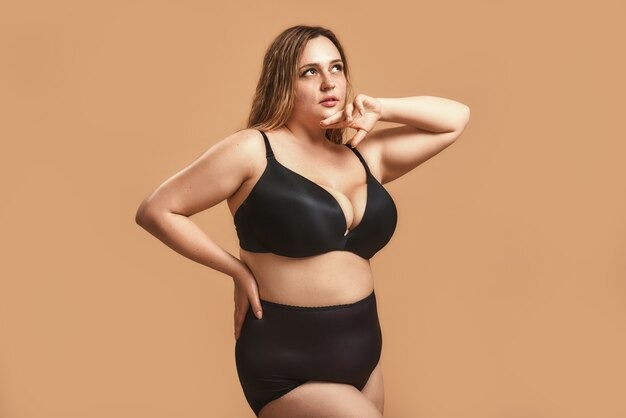
Shapewear is often treated as one category, but different pieces solve different needs. Some are best for smoothing under lightweight fabrics, some offer gentle lift, and others prevent shifting so your outfit stays aligned. If your dress or blouse already fits well, you might only need light smoothing and anti-slip stability rather than full compression. Being clear about the purpose helps you avoid over-buying and ending up with pieces that don’t match your daily clothing.
Match Coverage to Hemlines and Openings
Formal and office outfits can have vents, slits, and fitted sleeves that make the wrong base layer obvious. Think about where the garment ends and where it moves: a skirt with a back slit may reveal short legs on a longer pair of shorts, while a wide-leg pair of trousers might show outlines if seams are bulky. For sleeveless styles, pay attention to armhole shaping so nothing peeks out. Coverage should be chosen to disappear under movement, not just while you stand still.
Pay Attention to the Fabric Behavior Under Tailoring
Tailored clothing is less forgiving because it’s designed to hold a specific shape. Fabrics like crepe, suiting wool blends, and structured knits often show ridges from thick seams or rolled edges. Smooth, matte finishes tend to vanish more easily under crisp garments, while shiny or overly thick materials can create visible boundaries. If you want the outfit to look refined, prioritize base layers with clean finishes that don’t interrupt the garment’s intended drape.
Use Sizing and Fit Tests That Mirror Real Life
Shapewear sizing can vary widely, and “going smaller” rarely creates a better look under professional clothing. A piece that is too small can roll at the waist, pinch at the thigh, and create bulges that weren’t there before. Try it on with the exact outfit you plan to wear, then sit, walk, and reach as you would during a normal day. This is also where small adjustments borrowed from quick style hacks help, such as checking for edge lines under direct light and moving in front of a mirror from multiple angles.
Pick the Right Foundation Under Tops and Blazers
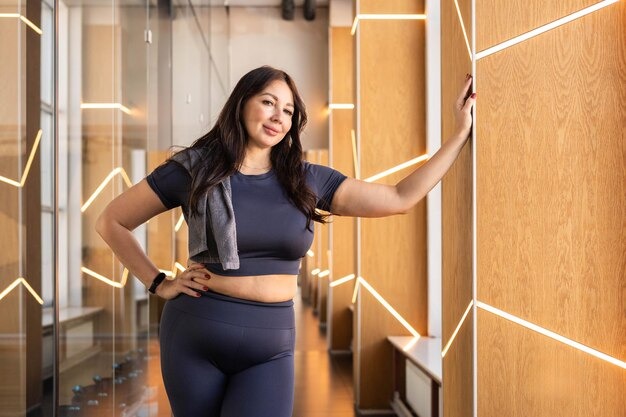
In the office, shaping isn’t only about the waist and hips; upper-body lines matter under button-downs, blouses, and fitted jackets. If you’re wearing a blazer, consider how the base layer affects your posture and shoulder set, because tugging at the midsection can make the whole outfit look tense. Under lighter blouses, prioritize smoothness so the fabric falls cleanly without clinging to seams. The aim is an effortless front view and a smooth side profile without stiffness.
Consider Aesthetics and Confidence, Not Just Concealment
Shapewear is often framed as something you hide, but it can be part of feeling prepared and self-assured. When it fits well, you stand differently, your clothing sits better, and you stop thinking about whether something is shifting. That mindset matters in professional settings where you want to focus on your work rather than your outfit. Many people who enjoy curvy body fashion treat shapewear as a styling tool: not to change their shape, but to support the clothes they already love wearing.
Build a Small Rotation for Your Most Common Outfits
Instead of collecting many pieces you rarely use, choose a few that work repeatedly with your wardrobe. One option that disappears under fitted dresses, one that pairs well with trousers, and one that feels comfortable for long days can cover most formal and office needs. A small rotation also helps with longevity, because elastic materials recover better when they aren’t worn back-to-back. Over time, this approach supports stylish daily outfits by making getting dressed faster and more consistent.
Conclusion
Choosing shapewear for formal and office outfits works best when you start with your clothing, then select a base layer that respects your comfort and your schedule. Focus on the purpose, smooth lines, stable fit, or gentle support, then test movement so you know it will perform beyond the mirror. When coverage, fabric finish, and sizing align, your outfit looks intentional without feeling restrictive. The best result is simple: you feel composed, comfortable, and ready for whatever the day requires.
 Styles Pherea Blog
Leave a comment